
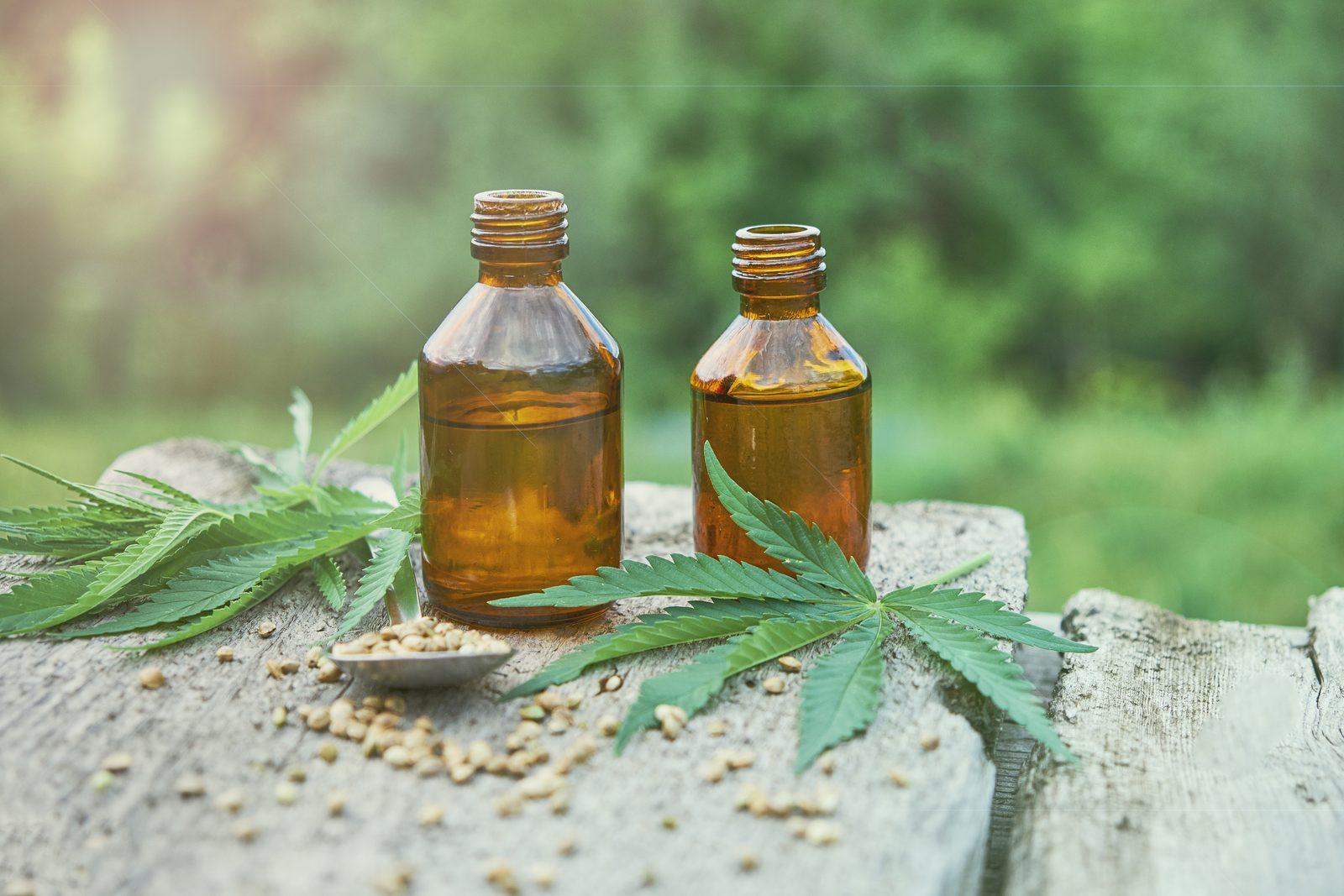
CBD vs THC comes down to one core difference: THC produces intoxication and CBD does not. Both come from the cannabis plant, both interact with the same biological system, and both appear on Springfield menus in very different product formats.
Shoppers in Springfield see CBD tinctures, THC flower, balanced 1:1 formulas, and hemp-derived topicals side by side. Knowing which compound drives which effect turns a confusing menu into a simple decision about what you actually want from the product.
What Is the Difference Between CBD and THC?
CBD and THC are both cannabinoids found in cannabis, and they share a nearly identical molecular formula. The difference is how each binds in the body: THC produces a high, while CBD does not cause intoxication.
Research framing is consistent on that point. A 2025 perspective article archived by the National Library of Medicine describes CBD as non-intoxicating with low abuse liability, unlike delta-9-THC. That single distinction shapes nearly every product choice a Springfield shopper makes.
How Do CBD and THC Interact With the Endocannabinoid System?
The endocannabinoid system includes CB1 and CB2 receptors, natural ligands your body produces, and the enzymes that break them down. THC binds directly to CB1 receptors in the brain, which is why its effects are immediate and noticeable.
CBD works differently. It has low direct affinity for CB1 and influences the system indirectly, which explains why it can feel subtle rather than dramatic. Products such as full-spectrum and 1:1 tinctures let shoppers combine both compounds in measured ratios.
Why Is THC Psychoactive While CBD Is Not?
THC acts as a partial agonist at CB1 receptors concentrated in brain regions that handle memory, mood, coordination, and time perception. Activating those receptors produces euphoria, altered perception, and impairment.
CBD does not activate CB1 the same way, so it does not create a high. It is still considered psychoactive in the technical sense because it can affect mood and anxiety, but psychoactive and intoxicating are not the same thing.
Does CBD Get You High Like THC?
No. CBD does not produce a high at typical doses. THC is the compound responsible for intoxication, which is why THC products carry potency labels, purchase limits, and impairment warnings in Massachusetts.
The research on combining them is nuanced. A 2023 controlled study published through the National Library of Medicine found that CBD did not reduce THC-induced cognitive impairment, psychotic-like experiences, intoxication, anxiety, or drug liking at the doses tested. Expectations should match evidence, not marketing.
Can CBD Reduce Some of the Effects of THC?
Evidence is mixed and dose dependent. Some laboratory work using very high inhaled CBD doses reported reduced intoxication, while studies using lower, more realistic doses found no meaningful change.
Expert tip: Treat a balanced 1:1 product as its own experience, not as a THC safety net. If you want a lighter effect, lower the THC milligrams rather than relying on added CBD to soften a high dose. Dose control is far more predictable than cannabinoid math.
How Long Do CBD and THC Effects Usually Last?
Duration depends on the delivery method more than the cannabinoid. Inhaled products take effect within minutes and fade within a few hours, while edibles and tinctures take longer to arrive and last considerably longer.
Consider a hypothetical Springfield shopper planning a quiet evening. She chooses a low-dose THC edible at dinner, knowing onset can take an hour or more, and keeps a CBD tincture for daytime use when she needs to drive, work, and stay fully clear.
What Are the Potential Benefits of CBD vs THC?
Shoppers typically reach for THC when they want noticeable effects such as euphoria, appetite stimulation, or deep relaxation. CBD attracts people who want a subtle, non-intoxicating option for everyday wellness routines.
Regulatory status tells you where the evidence is strongest. The U.S. Food and Drug Administration has approved one cannabis-derived prescription drug, a purified CBD medicine for certain seizure disorders, and no other CBD product carries that approval. Retail products are not approved treatments for any condition.
Is CBD or THC Better for Pain?
Neither is universally better. Research on cannabis and pain continues, and individual response varies with the condition, the dose, the delivery method, and personal tolerance.
Springfield Product Selection Checklist:
- Decide whether you want intoxicating effects or not
- Check THC and CBD milligrams per serving on the label
- Note the ratio, such as THC-dominant, CBD-dominant, or 1:1
- Pick a format: flower, vape, edible, tincture, or topical
- Confirm lab testing and request the certificate of analysis
- Start at the lowest listed serving
- Talk with your clinician about medication interactions
Is CBD or THC Better for Anxiety and Stress?
Response varies widely between individuals. Some people find low THC doses relaxing while higher doses increase anxiety, and others prefer CBD-only products precisely because there is no high to manage.
Start low and track what happens. Keeping a short note on product, dose, and how you felt turns guesswork into a pattern you can repeat. Browsing a CBD product selection separately from THC products makes that comparison easier to control.
What Are the Side Effects of CBD and THC?
THC side effects can include dry mouth, red eyes, increased heart rate, impaired coordination, anxiety, and short-term memory effects. CBD is generally better tolerated but can cause drowsiness, diarrhea, appetite changes, and interactions with prescription medications.
Massachusetts testing requirements help on the safety side. The Cannabis Control Commission reported that Marijuana Establishments grossed more than $1.65 billion in adult-use sales during 2025, all of it through licensed channels where products must pass state-required laboratory testing before sale.
Can CBD or THC Show Up on a Drug Test?
Standard drug tests look for THC metabolites, not CBD. THC use can produce a positive result, and the detection window depends on frequency, dose, and individual metabolism.
CBD products carry risk too. Full-spectrum items legally contain trace THC, which can accumulate with regular use. Anyone subject to workplace testing should treat any cannabis product with caution, regardless of how the label markets its cannabinoid profile.
How Should Beginners Choose Between CBD and THC?
Use the 4-C Compass before buying your first product in Springfield:
- Compound: CBD only, THC dominant, or a balanced ratio.
- Context: Where you will be and whether impairment is acceptable.
- Comfort: Start with the lowest serving and go slowly.
- Confirmation: Check the label and the lab testing results.
Beginners who answer all four questions before ordering avoid most first-time surprises.
Frequently Asked Questions
How Do CBD and THC Affect the Body Differently?
THC binds directly to CB1 receptors in the brain, producing euphoria, altered perception, and impairment. CBD interacts with the endocannabinoid system indirectly and does not cause intoxication, which is why many people use it during work hours or daily routines.
What Is the Difference Between CBD-Dominant and THC-Dominant Products?
CBD-dominant products contain more CBD than THC and produce little or no intoxication. THC-dominant products deliver the classic high that most people associate with cannabis. Balanced 1:1 options sit between the two, offering noticeable effects with a different character than THC-only products.
Are CBD and THC Legal in the Same Places?
No. Hemp-derived CBD and state-licensed THC products follow different legal frameworks entirely. In Massachusetts, adults 21 and older can buy THC products from licensed operators, while CBD rules differ by product type, source, how it is marketed, and intended use.
Can You Use CBD and THC Together?
Yes. Many Springfield shoppers use balanced products or pair a CBD tincture with a separate THC product. Adjust the THC amount first, since that compound drives intoxication, and keep servings low until you know exactly how the combination affects you.
Conclusion
CBD vs THC is a decision about intoxication, timing, and context rather than one compound being better than the other. Springfield shoppers who read labels, check ratios, start low, and run the 4-C Compass get consistent results instead of surprises.
BlazeXpress is a licensed Massachusetts dispensary, License MD1284, operating from 85 Sargeant St in Holyoke with free same-day delivery to Springfield and nine more Western Mass cities, typically in 60 to 90 minutes. Every product is third-party lab tested, and full certificates of analysis are available on request.
Shop the menu online, or call (413) 412-8525. Store hours run 9 AM to 9 PM daily with delivery from 1 PM to 8 PM and a 7 PM same-day cutoff. Customers must be 21 or older with valid government-issued photo ID.