
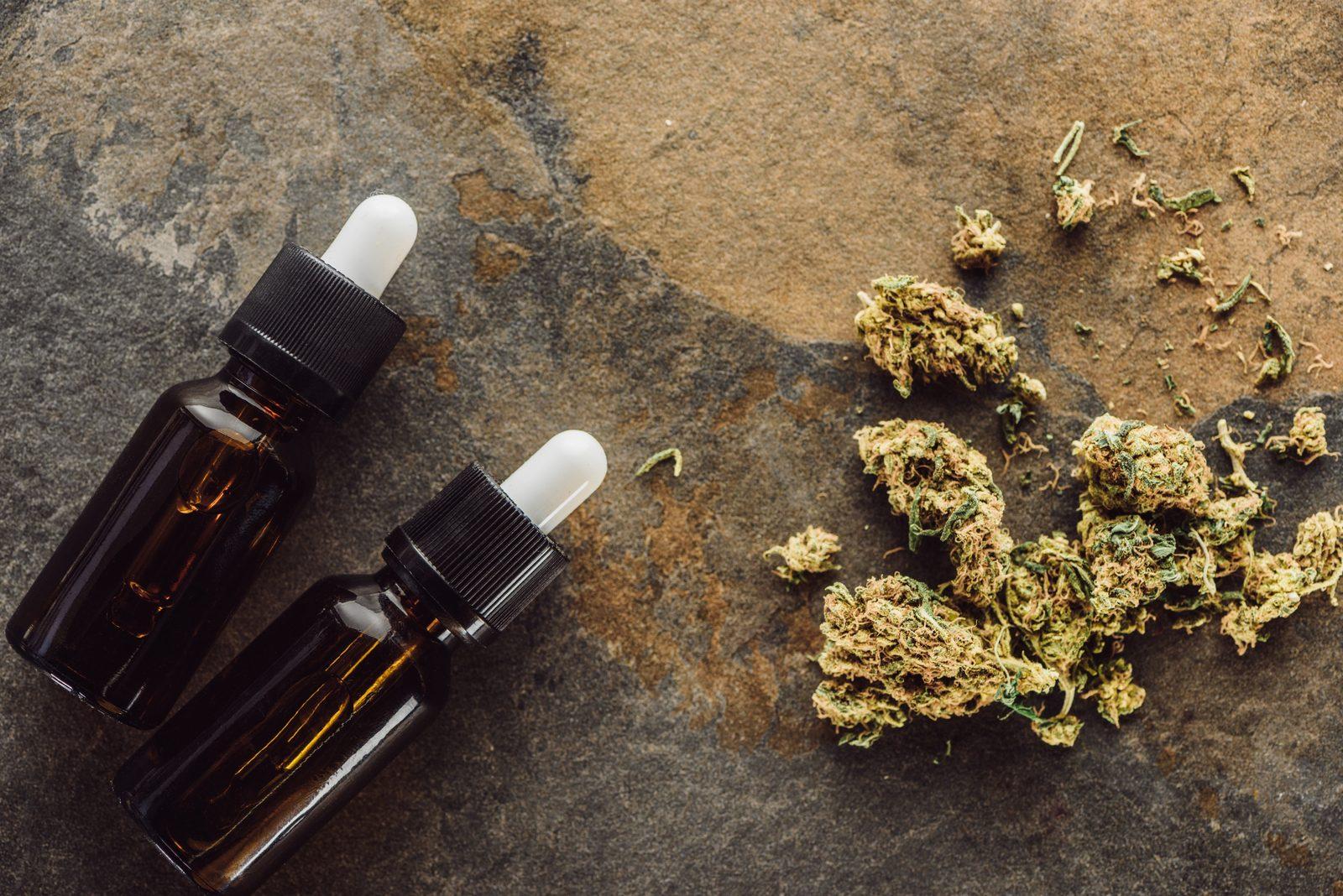
Cannabis terpenes are the aromatic compounds that give each cultivar its smell, its flavor, and part of its character. For Longmeadow shoppers, the terpene section of a label often predicts the experience better than the THC number does.
Two products can both test at 25% THC and feel completely different. The difference usually sits in the terpene profile: citrus, pine, fuel, floral, or pepper notes that shift how a cultivar lands. Reading that section turns browsing into choosing.
What Are Cannabis Terpenes?
Cannabis terpenes are volatile aromatic compounds produced in the plant's trichomes alongside cannabinoids. They create the scent and taste of each cultivar, and they appear throughout the plant kingdom in citrus peel, pine needles, lavender, and black pepper.
Analysis confirms how many are present. A 2023 study archived by the National Library of Medicine detected and identified 26 terpenes in hybrid cannabis samples, then quantified six of the most abundant: alpha and beta-pinene, myrcene, limonene, beta-caryophyllene, and alpha-humulene.
Are Cannabis Terpenes the Same as Terpenes in Other Plants?
Yes, chemically speaking. Limonene in cannabis is the same molecule found in citrus rind, and linalool is the same compound that gives lavender its scent. The plant source does not change the structure.
What differs is the blend. Cannabis produces dozens of terpenes at once in ratios unique to each cultivar, which is why a jar of Massachusetts flower smells layered rather than like a single ingredient.
Can Terpenes Change the Aroma and Flavor of Cannabis?
Terpenes are the aroma and flavor. Cannabinoids such as THC and CBD are essentially odorless, so everything you smell when you open a jar comes from the terpene fraction and related volatile compounds.
Expert tip: Smell before you commit to a full-size purchase. If a cultivar's aroma does not appeal to you, the experience rarely improves after you consume it. Longmeadow shoppers who track which aroma families they enjoy build a reliable shortlist far faster than those who shop by THC percentage alone.
Can Terpenes Influence the Effects of THC and CBD?
Research suggests certain terpenes can shape the experience alongside cannabinoids. The clearest human evidence involves limonene, which has been shown to reduce the anxiety that higher THC doses can produce.
The study design was rigorous. A 2024 Johns Hopkins University School of Medicine trial published in Drug and Alcohol Dependence found that 30 mg of vaporized THC combined with 15 mg of vaporized d-limonene significantly reduced ratings of "anxious/nervous" and "paranoid" compared with 30 mg of THC alone, while other effects stayed unchanged.
What Are the Effects of Limonene?
Limonene carries a bright citrus aroma and appears across many cultivars. It is one of the few cannabis terpenes with controlled human research behind it, specifically on blunting THC-related anxiety.
Treat it as a modifier, not a guarantee. The Johns Hopkins work tested specific vaporized doses in a laboratory setting, which is different from the terpene levels in a retail product. Use limonene-forward cultivars as a preference, and still manage your THC dose carefully.
What Does Myrcene Do in Cannabis?
Myrcene is one of the most abundant terpenes in cannabis, with earthy, herbal, slightly fruity notes. It is widely associated with relaxed, heavy-feeling cultivars, though individual response varies.
Consider a hypothetical Longmeadow shopper comparing two eighths at the same THC level. One lists myrcene as its dominant terpene, the other limonene. She picks the myrcene-forward jar for evenings and the limonene-forward jar for daytime, then notes which actually matched her expectations.
What Are the Most Common Terpenes in Cannabis?
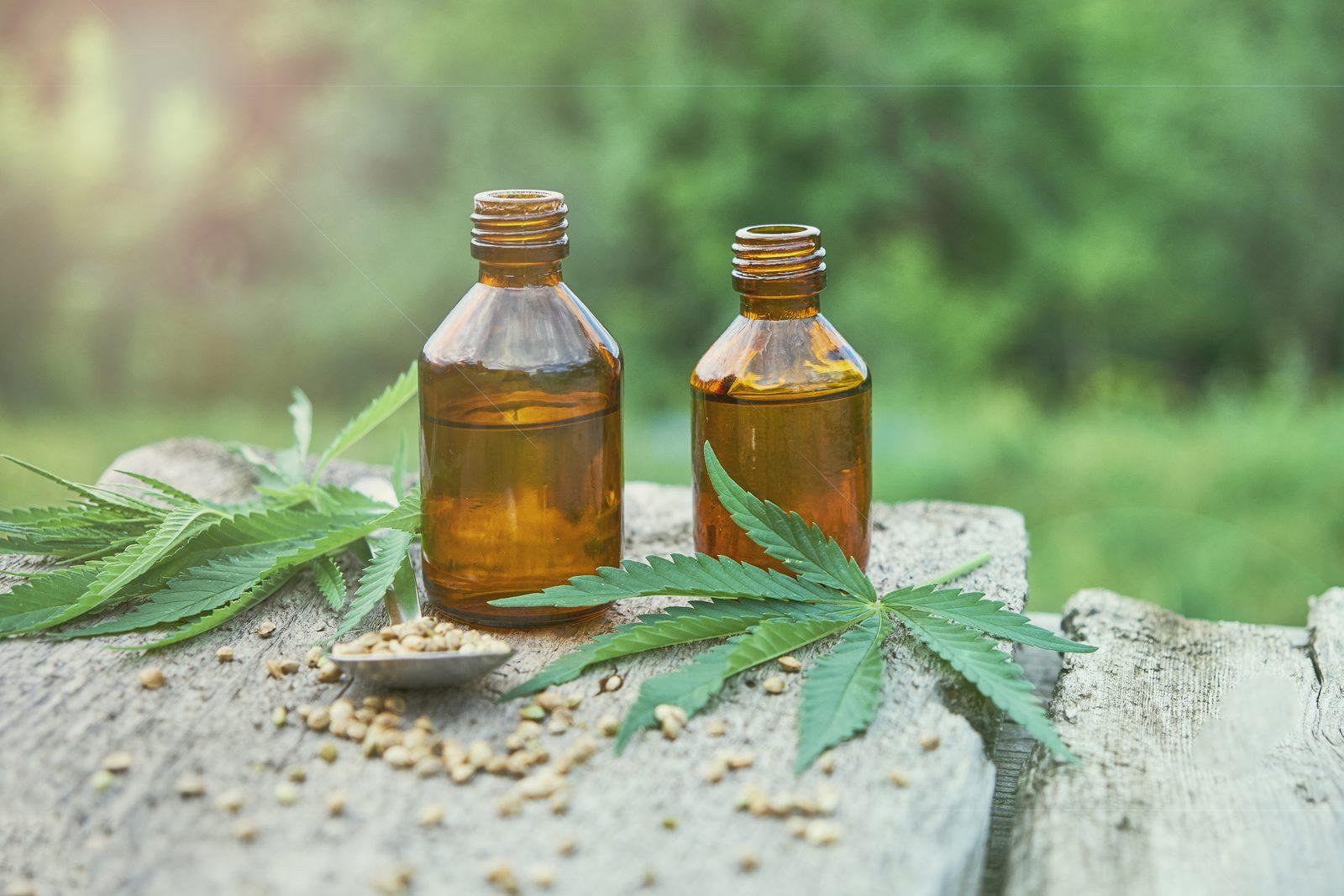
The terpenes you will see most often on Massachusetts labels are myrcene, limonene, beta-caryophyllene, pinene, linalool, terpinolene, humulene, and ocimene. Most cultivars are dominated by two or three of them.
Large data sets confirm the pattern. A 2023 analysis archived by the National Library of Medicine found myrcene present in 89.8% of flower samples, beta-caryophyllene in 83.6%, and limonene in 78.6%, with 478 unique cannabinoid and terpene combinations identified across the sample.
How Does Caryophyllene Affect Cannabis Experiences?
Beta-caryophyllene brings peppery, spicy, woody notes and appears in black pepper and cloves. It is unusual among terpenes because research describes it as interacting directly with CB2 receptors.
That receptor activity is why caryophyllene gets so much research attention. For shoppers, the practical signal is simpler: cultivars with a spicy, peppery nose usually carry meaningful caryophyllene, and many people describe them as grounding rather than racy.
What Is Linalool and Where Is It Found?
Linalool is the floral, lavender-scented terpene found in lavender, mint, and coriander as well as cannabis. It usually appears in smaller percentages than myrcene or limonene.
Small numbers still matter. Minor terpenes shape the overall aroma signature even at low concentrations, which is why two myrcene-dominant cultivars can smell noticeably different. The National Center for Complementary and Integrative Health notes that research on cannabis compounds and their effects is still developing.
How Are Terpenes Preserved in Cannabis Products?
Terpenes are volatile, so heat, light, oxygen, and time reduce them. Proper curing, cold storage, airtight packaging, and gentle extraction methods protect the profile from harvest through to your first session.
Terpene chemistry draws steady research. A 2025 study published in Biochemical Pharmacology examined sixteen cannabis terpenes and reported that more than 200 terpenes have been identified in the plant, with roughly 20 appearing most frequently, including myrcene, limonene, pinene, and beta-caryophyllene.
Do Indica and Sativa Strains Have Different Terpene Profiles?
Indica and sativa labels describe plant structure and lineage more than chemistry. Terpene profiles vary widely inside both categories, which is why two indica-labeled cultivars can smell and feel nothing alike.
Shop the chemistry instead of the category. Live resin and live rosin products made from fresh-frozen material typically retain more of the original terpene fraction, which is why many concentrate shoppers choose them specifically for flavor intensity.
How Can Consumers Read a Cannabis Terpene Profile?
Use the AROMA Read when you check a label or lab report:
- Aroma family: Citrus, pine, floral, fuel, earthy, or spice.
- Ratio: Total terpene percentage next to the THC percentage.
- Overall blend: The top three terpenes, not just the first one.
- Main terpene: The dominant compound driving the profile.
- Age: Packaging or test date, since terpenes fade over time.
Terpene Shopping Checklist for Longmeadow:
- Ask for the certificate of analysis before buying
- Note the total terpene percentage, not only THC
- Record the top two or three terpenes listed
- Check the packaging or harvest date
- Store products in airtight containers away from heat and light
- Keep a short log of which profiles you enjoyed
Frequently Asked Questions
How Do Terpenes Affect Cannabis?
Terpenes create the aroma and flavor of every cultivar, and they may influence the overall experience alongside cannabinoids. Research on that interaction continues, with limonene currently carrying the strongest human evidence for modifying one specific effect of THC, namely anxiety.
What Is the Difference Between Terpenes and Cannabinoids?
Cannabinoids such as THC and CBD bind to cannabinoid receptors and drive the primary effects. Terpenes are the aromatic compounds responsible for smell and taste, present in much smaller percentages, and studied for their potential to modify how cannabinoids actually feel.
How Do Cannabis Terpene Profiles Differ Between Strains?
Each cultivar produces its own ratio of terpenes based on genetics, growing conditions, harvest timing, and curing method. One jar may be myrcene dominant with secondary caryophyllene, while another leads with limonene and terpinolene, giving a completely different aroma and flavor.
Do Terpene Levels Appear on Massachusetts Product Labels?
Potency testing is required for licensed Massachusetts products, and many producers also publish terpene results on the certificate of analysis. Ask for the COA whenever terpene content matters to your choice, since the reporting detail varies by brand and by batch.
Conclusion
Cannabis terpenes explain why two high-THC products feel different, and reading them takes less than a minute. Longmeadow shoppers who note the dominant terpene, check total terpene percentage, watch the date, and run the AROMA Read get far more consistent results.
BlazeXpress is a licensed Massachusetts dispensary, License MD1284, operating from 85 Sargeant St in Holyoke with free same-day delivery to Longmeadow and nine more Western Mass cities. Every product is third-party lab tested for potency, pesticides, heavy metals, microbials, and residual solvents, with full certificates of analysis available on request.
Shop the menu online, or call (413) 412-8525. Store hours run 9 AM to 9 PM daily, delivery runs 1 PM to 8 PM, and the same-day cutoff is 7 PM. Customers must be 21 or older with valid government-issued photo ID.